

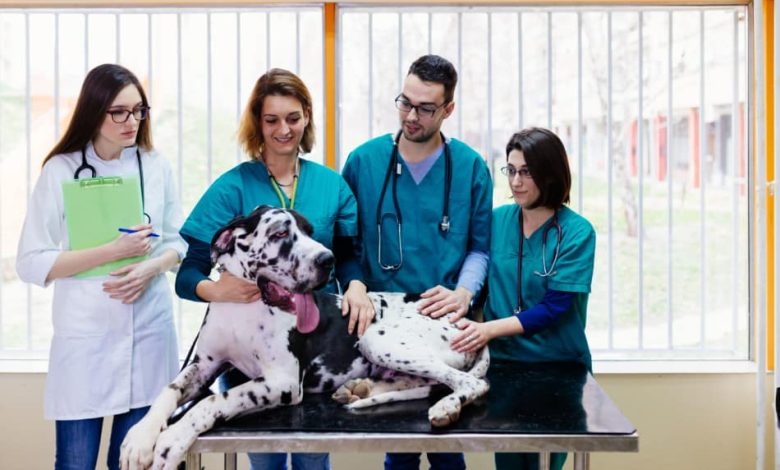
A gastropexy is a surgical procedure designed to prevent gastric dilatation and volvulus (GDV), a serious and potentially fatal condition that affects dogs, especially those that are large and deep-chested. GDV happens when a dog’s stomach becomes filled with gas (dilatation), and in some cases, it twists (volvulus). This twist cuts off blood flow to the stomach and other vital organs, which can lead to shock, organ failure, and death if not treated immediately.
The primary goal of gastropexy is to secure the stomach to the abdominal wall so that it cannot twist. The procedure doesn’t stop the stomach from getting bloated (dilated) but prevents it from rotating in the abdominal cavity. This can save a dog’s life by reducing the risk of GDV, especially in breeds at high risk of developing this condition.
Anatomy of a Gastropexy in Dogs
The term “gastropexy” is derived from two Greek words: “gastro”, meaning stomach, and “pexy”, meaning fixation. The procedure involves attaching the stomach to the abdominal wall in a way that prevents it from twisting. There are different surgical techniques to achieve this fixation, but the goal is the same: to create a permanent adhesion between the stomach and the abdominal wall.
During the procedure, the veterinarian creates an incision on the dog’s abdominal wall and then makes a small incision on the stomach’s outer layers. The stomach is then anchored to the right side of the abdominal wall, either by suturing the two tissues together or by passing a flap of the stomach’s outer layer through a tunnel made in the abdominal wall. This attachment ensures that the stomach stays in place and does not twist on itself.
Why Would a Dog Need a Gastropexy?
Certain dog breeds, particularly large and deep-chested breeds, are more prone to GDV. These breeds include Great Danes, Dobermans, and Saint Bernards. However, GDV can occur in any dog, regardless of breed, and it can be triggered by factors such as eating too quickly, exercise after meals, or stress. Once GDV sets in, it can lead to shock, severe abdominal pain, and even death if not treated immediately.
For dogs with a history of bloat, gastropexy becomes especially important. After experiencing one episode of bloat, a dog’s stomach is more likely to twist again. A gastropexy helps prevent this recurrence by fixing the stomach in place, making future episodes of GDV much less likely.
Even for at-risk breeds that have not yet experienced bloat, gastropexy is often performed as a preventative measure. Many veterinarians recommend gastropexy for these dogs at the time of spaying or neutering, which is a good time to carry out the procedure as it minimizes the need for a separate surgery later.
Risks of Gastropexy in Dogs
Like any surgery, gastropexy does carry some risks, though they are generally low when performed by an experienced veterinary surgeon in a controlled environment. Some of the risks include:
- Any surgery that requires general anesthesia comes with a small but real risk of complications, especially for older dogs or dogs with pre-existing health conditions.
- While rare, there is always a risk of infection at the surgical site, especially if post-operative care instructions are not followed closely.
- While highly unlikely, any surgery involving the abdominal area carries the potential for internal bleeding or injury to nearby organs.
- A gastropexy can prevent the stomach from twisting, but it does not stop the stomach from bloating. If your dog’s stomach fills with gas, they can still experience gastric distension or bloat, though it will not result in the more severe condition of GDV.
The risk of these complications is minimal, especially when performed in a trusted veterinary hospital in Gurgaon with modern equipment and a skilled surgical team.
Benefits of Gastropexy in Dogs
The primary benefit of a gastropexy is the prevention of GDV. This procedure provides several other advantages as well:
- The procedure significantly reduces the chances of a dog’s stomach twisting on itself, which is a leading cause of death in dogs suffering from GDV.
- Preventing GDV can improve a dog’s overall health and reduce the need for emergency surgeries and medical interventions.
- Pet owners of high-risk dogs can feel more confident knowing that their dog is at much lower risk of experiencing GDV in the future.
Preparation for Gastropexy in Dogs
Before your dog undergoes a gastropexy, they will undergo a thorough evaluation by your veterinarian. You can expect the following steps:
A complete physical exam will be conducted to assess your dog’s overall health and suitability for surgery. Blood tests may be recommended to evaluate liver and kidney function, ensuring that your dog can safely undergo anesthesia. Your dog will need to fast for 12-16 hours before the surgery to minimize the risks associated with anesthesia. Depending on your dog’s condition, your veterinarian may prescribe medications such as sedatives or pain relievers before the surgery.
Post-Op Care and Recovery for Gastropexy in Dogs
After the surgery, your dog will require some special care during the recovery process. Pain medications will be prescribed to ensure that your dog remains comfortable while healing. You will need to restrict your dog’s physical activity for at least 10 to 14 days to prevent any strain on the incision site, avoiding activities like jumping or running. It’s important to keep an eye on the surgical site and monitor for any signs of infection, such as redness, swelling, or discharge. If you notice anything unusual, contact your vet immediately. Your veterinarian will schedule a follow-up visit to ensure your dog’s recovery is progressing well.
In general, most dogs recover well from gastropexy and return to their normal activities within two weeks.
Final Thoughts
Gastropexy is a preventative procedure that can save your dog’s life, especially if you have a large or deep-chested breed prone to GDV. While the procedure involves some risks, the benefits far outweigh them for dogs at high risk of this potentially fatal condition. If you’re considering gastropexy for your dog, consult with an experienced veterinarian at a trusted veterinary clinic, like DCC Animal Hospital, who can assess your dog’s individual risk and provide the best surgical care available.


